Fire Prevention Week Activities: How to Educate Your Community or Team
Fire Prevention Week activities allow businesses, schools, and community organizations to teach important fire safety practices, prepare for emergencies, and help people understand how to respond when it matters most. It’s celebrated each year in October and helps you go beyond the basics of reviewing your evacuation routes.
Preparing for fire emergencies and understanding the damage fires cause, as well as the mitigation methods used, can go a long way toward helping you prevent and navigate them successfully.
And while the goal of Fire Prevention Week is to prevent fires before they occur, comprehensive safety planning also includes preparing for when they do occur and for potential causes of additional damage, such as accidental sprinkler activation. Tools like the Shutgun emergency fire sprinkler shut-off tool make it easier to respond to sprinkler activation and reduce water damage.
Of course, the best emergency response starts long before the fire starts. These activities make fire prevention more interesting and effective for everyone during Fire Prevention Week.
Live Fire Safety Demonstrations
Hands-on demonstrations can be a great way to keep attention on the lesson when promoting fire prevention. They tend to be more memorable than presentations where there is no audience engagement. You can do these demonstrations as one large group, or break them into stations with smaller groups.
Some of the best fire safety demonstrations include:
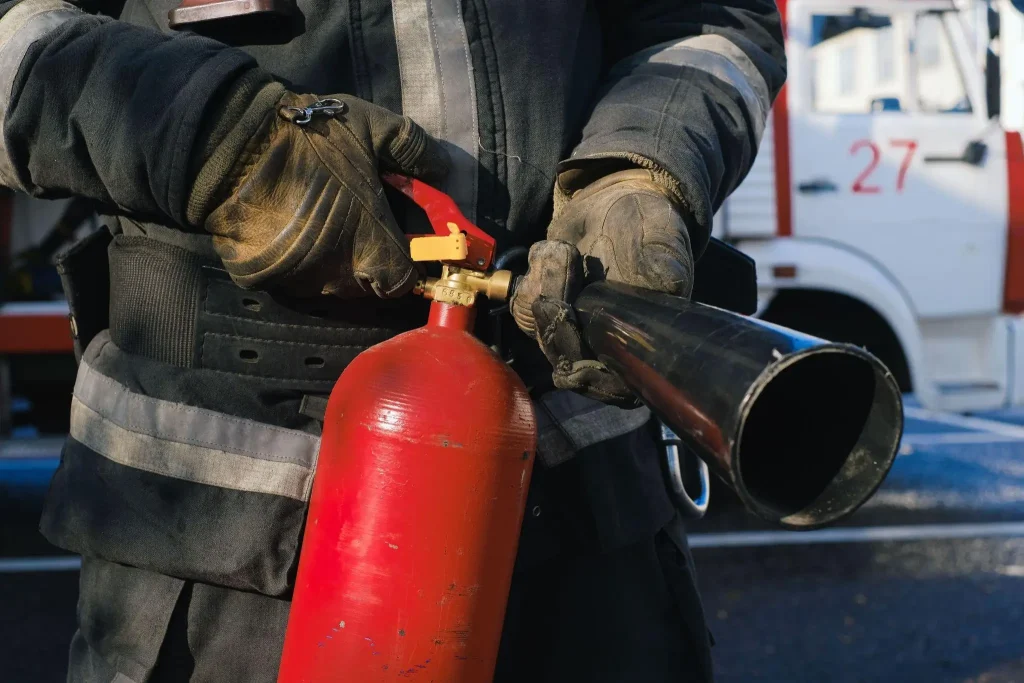
- Use of a fire extinguisher
- Locating emergency exits, fire alarms, and safety equipment
- Reviewing sprinkler activation and explaining why a quick response is important
Fire Prevention Week is a great time to learn how the Shutgun Sprinkler Shut Off Tool helps you stop water flow without compromising the protection provided by your fire sprinkler system.
To make these demonstrations even more engaging, consider turning them into games or challenges for participants.
Roleplay Emergency Scenarios
This is a great way to get people in the “act fast” frame of mind when faced with a fire emergency by encouraging them to make decisions and have a plan before an actual emergency occurs.
Role-playing also makes it easier for people to remember what they’ve learned by “walking through” the scenario ahead of time.
Some of the decisions you’ll want to make and walk through during the exercises include:
- Deciding who sounds the alarm, helps with evacuation, and contacts emergency services in the event of a fire
- Explaining how to handle any hazardous materials properly
- Listing equipment that must be shut off when the fire alarm sounds
- Locating emergency exits and determining where everyone will assemble once out of the building
- Appointing someone to respond to sprinkler activation
- Assessing what might be damaged by the sprinklers and whether you need special tools such as the Sheared Head Shutgun to mitigate water damage
Customize Training for Your Facility
Not every business or organization has the same concerns when it comes to fire safety. Your Fire Prevention Week plans should address the specific concerns you’re dealing with. For example:
Hospitals and Other Healthcare Facilities
Your priority is to protect vulnerable people who face a higher risk of smoke exposure in the building and to coordinate a safe evacuation. Specialized equipment, including the Institutional Shutgun, supports your healthcare safety requirements.
Manufacturing and Industrial Facilities
Your priority is addressing equipment hazards and flammable materials safety. Having a successful emergency shutdown plan in place that everyone understands can help you mitigate risks if a fire breaks out.
Schools, Offices, and Public Buildings
Your priority is helping young people, visitors, and anyone on-site unfamiliar with the facility to evacuate. This means you’ll want to place a strong emphasis on emergency-scenario communication during your Fire Prevention Week activities.
In all three cases, there should be a focus on creating the safest environment in which fires are less likely to occur, as well as on evacuation procedures and on mitigating the risks associated with fire response.
Building a Culture of Fire Preparedness
October is Fire Prevention Month, but there’s no reason why education efforts should end when the month ends. Fire safety is a year-round endeavor.
As part of your fire safety program, we’d recommend keeping a Shutgun Fire Sprinkler Shut Off device by every fire extinguisher. The Shutgun is a quick and easy tool to mitigate water damage when the main water shut-off is not immediately accessible.
To explore more fire safety solutions or to invest in Shutgun products that can help you improve your emergency preparedness, visit us at Shutgun.