
Emergency Response Guidebook Essentials: What Every Business Should Know
An emergency response guidebook gives businesses a clear plan for what to do when seconds matter, helping employees and emergency personnel respond quickly, safely, and effectively. As important as it is to have a guidebook, it’s only effective when those using it understand it, know where it’s located and know how it can be helpful during an emergency.
Additionally, your guidebook and plans should address more than just fire prevention and how to evacuate. The most useful guidebooks prepare your team for worst-case situations, as well as what can occur after safety systems, such as fire sprinklers, are activated.
Accidental sprinkler activation or damaged sprinkler heads can result in expensive water damage. Tools like the Shutgun Emergency Fire Sprinkler Shut-Off Tool provide a way to quickly stop water flow while maintaining fire protection until the system can be repaired.
Fire sprinkler response is just one part of a comprehensive emergency plan, and your guidebook should provide clear instructions for a variety of situations.
What to Include in an Emergency Response Guidebook
The specific things to include in a guidebook vary by business or organization, but there are several things that every facility will want to include. For example:
- Contact information for your local authorities, building managers, safety coordinators, utility providers and maintenance team
- Emergency responsibilities and the people assigned to each duty
- Primary and secondary emergency exit routes
- Assembly locations once out of the building
- Information about assisting visitors and/or people who need additional support
- Standard fire response procedures, including sprinkler activation and what to do if the sprinkler needs to be shut off
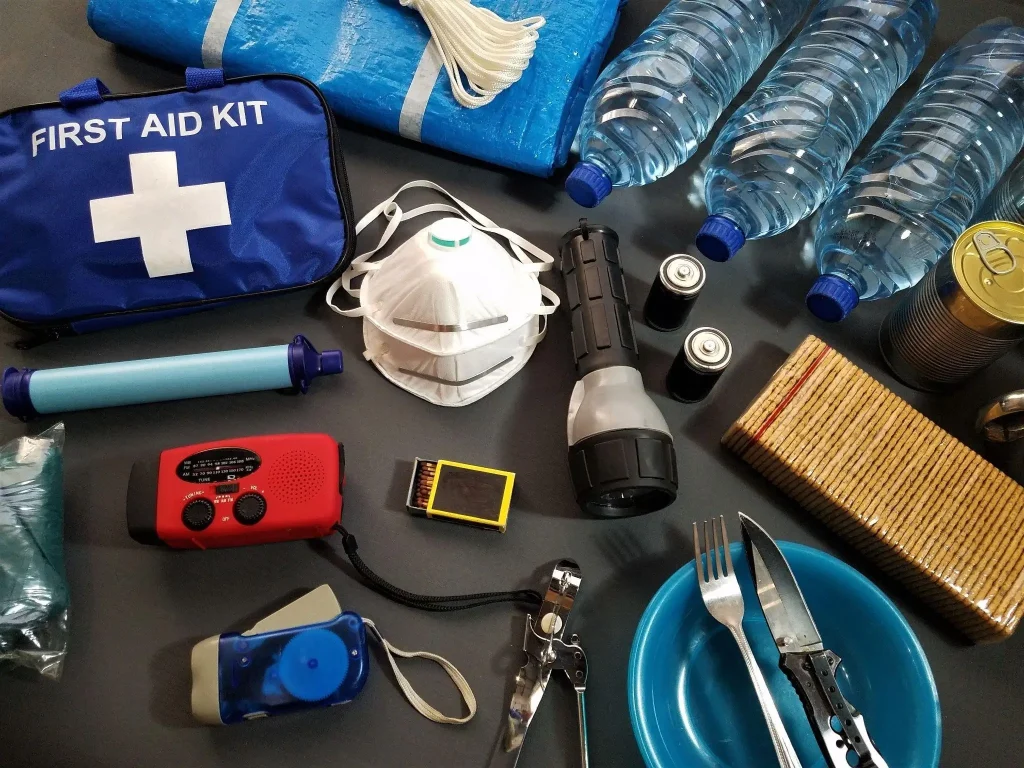
- Location of emergency response equipment, including fire extinguishers, first aid kits and the Shutgun
It’s recommended that a Shutgun Fire Sprinkler Shut Off System be kept with every fire extinguisher because it’s a quick and easy tool for mitigating water damage when the main water shut-off is not immediately accessible.
In addition to what you include in your guidebook, it’s important to ensure it’s easy to understand. Use clear instructions and organized sections, and avoid long explanations.
Incorporate the Guidebook into Emergency Training
It’s not enough to just have a guidebook. Your team must also be trained on the guidebook and review its contents periodically. It should also be checked regularly for any potential updates or when changes occur within your organization that require an update, including when:
- Employees with emergency responsibilities change
- Building layouts change
- New equipment is installed
- Fire protection systems are modified
- Contact information changes
During emergency response training, consider:
- Reviewing the guidebook as a group to refresh knowledge
- Walking through or roleplaying emergency scenarios using the guidebook along the way
- Performing training exercises that focus on action rather than just reading the guidebook
It’s also a good idea to include a guidebook review as part of each team member’s onboarding process so that they know your procedures right from the start.
Ensure Easy Access to Your Guidebook
An emergency response guidebook is only useful if people can quickly find it when they need it. During an emergency, employees may not have time to search through files, contact supervisors, or figure out where procedures are stored.
Keep copies of your guidebook in easily accessible locations and make sure key personnel know where to find them. Depending on your facility, this may include:
- Keeping a physical copy in a designated area
- Creating digital access through your company’s internal systems
- Issuing copies to supervisors, maintenance teams, and safety coordinators
Your Emergency Response Guidebook Could Save Lives
Your organization’s guidebook is more than just paperwork. It’s a tool that helps people respond quickly and confidently. In a worst-case scenario, it could save lives.
Additionally, a well-designed emergency guidebook is a valuable tool after an event. It can help support insurance claims and ensure that your organization complies with regulatory requirements.
If it’s been a while since your organization updated its emergency preparedness plans or you need guidance with creating a documented plan, now is the time. Solutions like the Shutgun can go a long way in creating a comprehensive response plan that reduces risks and saves time and money in the aftermath of an emergency.
To explore more fire safety solutions or to learn more about Shutgun products that can help you improve your emergency preparedness, visit us at Shutgun.