
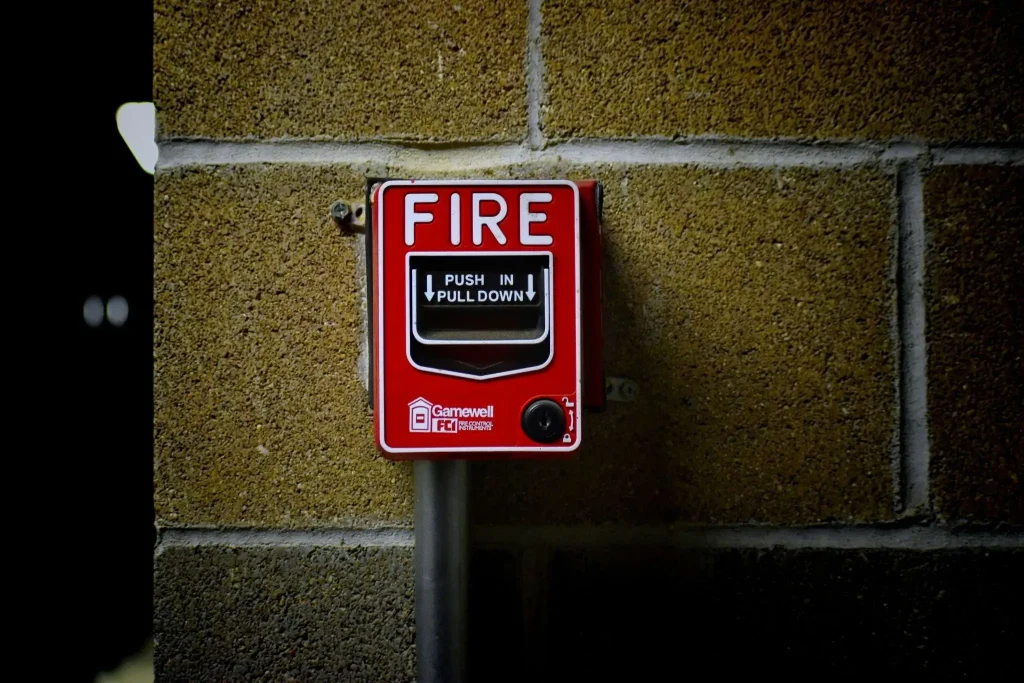
The Rise of Smart Fire Detection Systems: How Technology Enhances Safety
If you own a building, whether it’s a business, home, or anything else, fire detection is one of your most important considerations. Traditional detection systems, such as smoke and fire alarms, provide anyone inside the building with an early warning to escape due to fire danger. It also ensures that those who hear the alarm can alert emergency responders, who can hopefully extinguish the fire before too much damage occurs.
Traditional systems are effective, but they are no longer your only option for fire detection. Technological advancements in fire detection have made it easier than ever to detect and deal with fires when they occur. These smart fire detection systems don’t replace traditional fire safety. Still, they make detection faster and allow you to respond quickly, extinguishing the fire and shutting off sprinklers once they are no longer needed.
If you want the best in fire safety for your building, here’s what you need to know.
What Are Smart Fire Detection Systems?
Traditional fire detection systems identify signs of a fire that might already be raging and destroying a structure. These systems sound an alarm, alerting nearby people to the danger.
IoT-enabled systems sound alarms but also provide connectivity, advanced sensing, and automated data sharing for emergency responders. These systems send alerts to smartphones and/or remote IoT monitoring systems, so even people off-site will know if there’s a problem. They can also provide information about where the fire originated in the building. Smart fire detection blends several features to provide the most comprehensive system possible.
With a smart system, you get the traditional alarm, communication about the fire, the ability to share it with multiple devices or people, and the ability to trigger additional responses.
What Are the Benefits of Having a Smart Fire Detection System?
The primary benefit of these smart systems is connectivity. This improves fire safety in several ways:
- Remote alerts: In addition to the onsite alarm, these systems can notify people via smartphone when there’s a fire.
- Connected devices: It might be possible for sensors to communicate within the system, so that if one device detects a fire, it will trigger alarms to alert everyone in the building. With traditional systems, people near the fire will hear the alarm, but alarms further away from the fire won’t activate until the fire moves closer.
- Integration with other systems: Smart technology allows you to connect your fire detection system to other building systems, including lighting, HVAC, and sprinklers. This improves evacuation safety and makes it easier to control the spread of smoke and fire.
All of these features enable earlier, more accurate detection and make it possible to communicate about and respond to the fire.
Is a Smart Fire Detection System Right for You?
Smart systems are being used in a variety of buildings, including homes, commercial buildings, and large facilities like warehouses, data centers, and industrial facilities. If you think a smart fire detection system might be right for you, you’ll want to consider the following:
- Cost of the system: The more sophisticated a system, the higher the cost.
- Installation: Proper placement and connectivity are essential for your smart system to work effectively.
- Maintenance: Systems require testing, inspection, and upkeep to work properly.
- Cybersecurity: Because these systems are linked to an online network, there’s a risk of tampering.
- Compatibility: For maximum effect, systems must work with other smart devices onsite.
- Reliability: Systems are connected via the internet, so you’ll need a backup plan if your connection fails during a fire.
When choosing a system for your structure, you’ll want to take into account:
- Building size
- Use of the space
- Potential fire hazards
- Number of occupants at any given time
- Local building and fire safety requirements
- Remote monitoring needs
Creating Fire Safe Spaces
Smart fire detection systems add a layer of safety to traditional fire detection. These systems combine improved detection, faster communication, greater connectivity, and detailed information about potential emergencies to provide optimal safety.
They also enable faster fire response and mitigate secondary damage caused by fire-response systems like sprinklers. This allows you to use tools like the Shutgun Fire Sprinkler Shut Off device, which should be kept with every fire extinguisher. It’s a quick, easy tool to mitigate water damage if the main water shutoff is not immediately accessible, and it is available for concealed and sheared head sprinklers.
If you’d like to learn more about smart fire detection systems and building your fire response kit, visit us at Shutgun.