
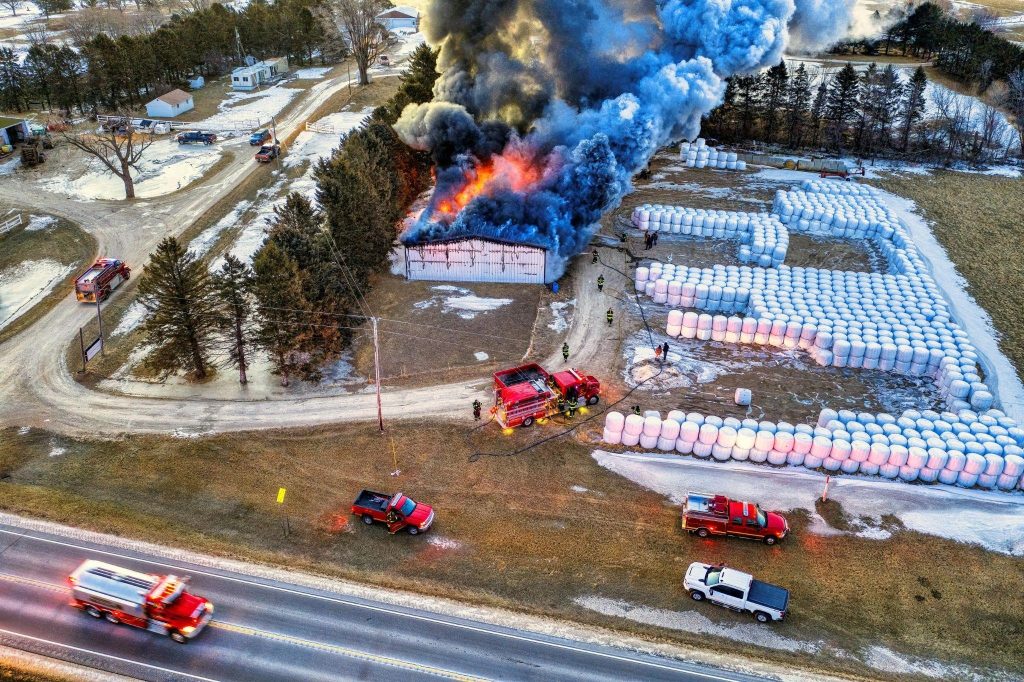
Industrial Fire Protection Strategies: Lessons from Real-Life Incidents
Industrial buildings face some of the most complex fire safety challenges of any type of structure. From storing flammable materials, using high-voltage equipment, and being places where large numbers of people work, the fire risks are high.
While fire codes and modern fire safety systems can provide a baseline for fire safety, it’s also essential to learn lessons from real-life industrial fire incidents of the past. This guide will highlight some past incidents and the important lessons they can provide today.
Lessons from Real-Life Industrial Fires
The following are some real-world industrial fires that had tragic consequences, but the lessons they can provide should not be forgotten:
The Plastimet Fire in Hamilton, Ontario (1997)
One of the most infamous industrial fires in Canadian history was the Plastimet fire disaster, which occurred at an industrial recycling factory in Hamilton, Ontario.
The fire burned for four days, releasing toxic smoke and chemicals across the region. After the fire was extinguished, fire investigators concluded that a combination of improperly stored combustible plastics and inadequate fire sprinkler coverage contributed to the fire’s destructive nature.
One of the lasting lessons from the fire was the importance of full-coverage fire sprinkler systems and better storage for flammable and toxic materials. Not only was the fire destructive, but it also released chemicals into the surrounding community.
Today, all industrial buildings that handle flammable chemicals and plastics must ensure that their fire sprinkler systems meet current standards as outlined in the National Fire Code of Canada.
The Langley Recycling Plant Fire in Langley, British Columbia (2018)
More recently, another large-scale fire broke out at the Cloverfield Fuel Recycling Facility. While this facility dealt more with metal and wood materials, the fire spread quickly due to the open-air yard being cluttered with flammable materials.
A lesson learned from this blaze was the importance of reducing unnecessary debris in facilities that store flammable materials. Wood pallets and woodchips helped fuel the blaze.
Ocado Warehouse Fire in London, United Kingdom (2021)
A massive fire broke out at a grocery storage warehouse when two robots collided. The fire lasted for days and caused roughly $150 million (CAD) in damages. It also took the efforts of over 100 firefighters to extinguish.
One of the lessons learned was the importance of having specialized fire suppression systems that can effectively handle electrical fires, especially in fully automated environments that are primarily operated by robots.
What Else Can Be Learned from Industrial Fires?
It doesn’t have to be a major fire incident for fire safety lessons to be learned. Hundreds of smaller incidents occur across Canada and the United States every month.
Some are caused by improper storage of flammables, others by electrical faults, overheating equipment, or just plain carelessness.
In these cases, having fire extinguishers and a well-maintained fire sprinkler system that is equipped to handle the types of fire risks a facility faces can be the difference between a minor incident and one that is extremely destructive.
With that said, when sprinklers activate accidentally or continue to run after a fire is extinguished, water damage can rival the cost of the fire itself.
This is where having a Shutgun Fire Sprinkler Shut Off Tool can make a huge difference. This simple tool can quickly stop the flow of water from a sprinkler head. They’re so effective at preventing water damage that it is recommended that a Shutgun be kept beside every fire extinguisher.
Industrial Fire Prevention Strategies Learned from Disasters
The following are just some of the ways you can learn from previous incidents to keep your facility safe.
Conduct Regular Fire Risk Assessments
Given the numerous fires caused and fueled by improperly stored flammable materials, you can keep your industrial building safe by regularly identifying and addressing fire risks.
From proper storage of flammables to reducing ignition sources, performing a fire risk audit regularly is critically important.
Maintain and Inspect Fire Suppression Systems
Testing sprinklers, extinguishers, alarms, and all other fire suppression equipment is essential. Not only can this help you identify the types of weak spots, but it will also ensure that all of your equipment is maintained correctly.
This is also a good time to mention the importance of investing in the correct types of Shutgun tools for the needs of your facility. Where a Sheared Head Shutgun can help deactivate a broken sprinkler head, a Concealed Head Shutgun can reach in and shut off a recessed sprinkler head.
Train All Employees in Fire Safety and Evacuation Protocols
Even with automatic fire sprinkler systems, how your staff react is incredibly important. Every person has a role to play in fire safety. From clearing fire risks to proper shutdown protocols, your staff should know what to do.
Conducting fire safety sessions where you demonstrate effective use of fire extinguishers can also be very important. As part of training, you can instruct your staff on how to properly use the Shutgun in the event of a misfire.
Learn from the Lessons of the Past
Industrial fire protection is about learning from the past and taking action in response to real-life incidents.
From maintaining a fire-safe environment to investing in proper sprinkler maintenance and shut-off tools, like the Shutgun, you can keep your industrial building and the people inside and around it safe.